My boss's cold remark felt like a stab deep in my stomach. The planning meeting room fell silent, everyone feeling the stares directed at me. The PowerPoint slide displayed the collaboration proposal with ‘SPY×FAMILY’, but no one showed any sort of positive reaction.
“Anime? Family-oriented? Isn't the target audience a bit too vague?”
The planning department head crossed his arms and tilted his head. All the market analysis, target strategies, and social media outreach plans prepared so far suddenly felt meaningless in this moment. His voice trembled, but he managed to force it out.
“But fans will definitely be interested. There are examples of other companies collaborating...”
“Just teaming up with a well-known work doesn’t guarantee sales. So, is this project really going to be worth it?"
In that instant, it felt like my chest was being crushed. True, it might get lost in the flood of collaborations. But there was a hook to capture fans’ hearts. There was passion there that couldn’t be measured by numbers alone.
“Whether it has meaning or not… that’s not for us to decide. It’s for the fans.”
This was a scene from an internal meeting at a regional food company that recently consulted us about promotion.
As this story shows, collaborations between anime works and companies are not about “selling simply because it's a famous work.” The key is to find affinity with the product or event and then leverage that popularity.
So this time, we'll introduce the key points for successful collaborations by analyzing examples of collaborations between the anime “SPY×FAMILY” and companies.
When collaborating, influence and affinity are crucial. The anime “SPY×FAMILY” is popular and easily matches with various brands, making it highly suitable for collaborations. Three particularly important factors are:
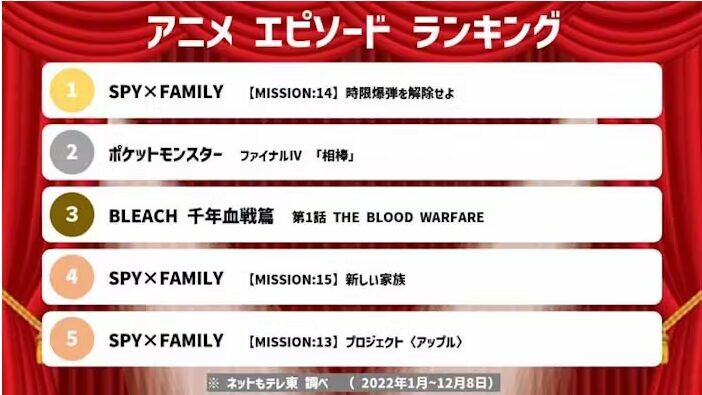
The work has a certain level of popularity and influence (currently ongoing through Season 3)
The brand and the work's theme align (family bonds)
The product has affinity with the work or characters (peanut flavor)
The universal theme of family bonds
The anime ‘SPY×FAMILY’ is frequently chosen for collaborations not only due to its immense popularity but also because of its universally appealing themes.
The series features a unique premise where a spy father, an assassin mother, and a psychic daughter form a fake family, exploring themes of familial love and bonds. This universal theme resonates with many people, underpinning the work's popularity.
The character Anya has captured the hearts of many fans with her adorable charm. This character appeal further enhances the popularity of the entire work.
For companies, collaborating with a work that enjoys such broad support across diverse demographics greatly aids in raising awareness of their products and acquiring new customer segments. Specifically, it impacts not only increased product sales but also the renewal and strengthening of brand image.
Themes inherent to the work—such as “family,” “secrets,” and “spies”—possess affinity with diverse industries, enabling combinations with various products and services. This flexibility also makes it easier for companies to consider collaborations.
These elements combine to create an environment conducive to successful collaborations with companies.
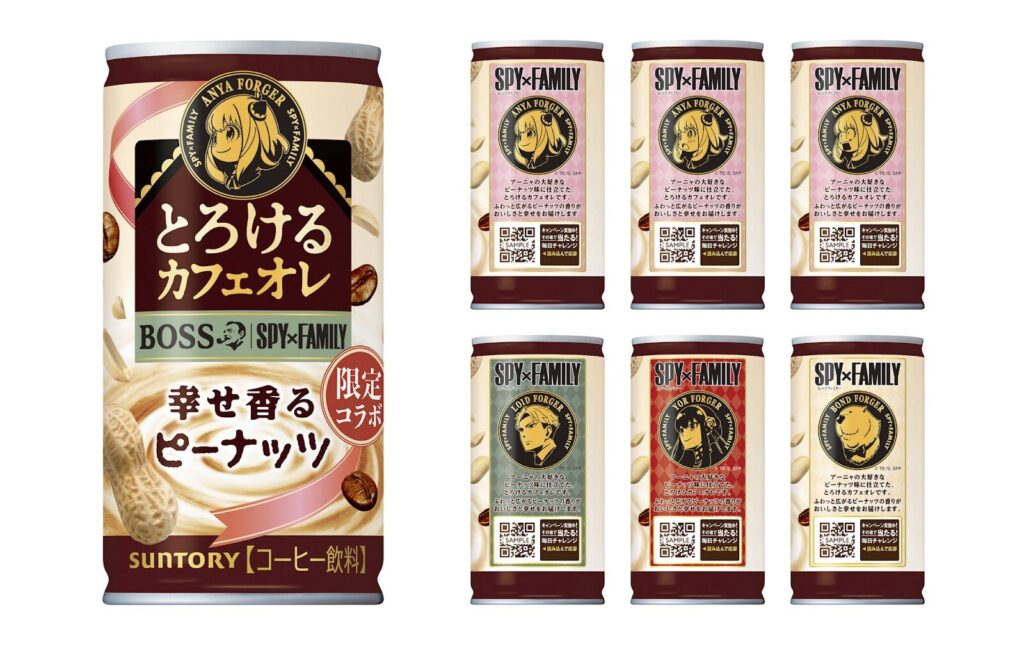
Collaboration case study: Suntory “BOSS” Father’s Day campaign
The collaboration between the anime “SPY×FAMILY” and Suntory's “BOSS” brand generated significant buzz as a campaign strongly appealing to family audiences. Particularly, the marketing strategy centered on Father's Day proved successful by effectively tapping into consumer emotions. Let's analyze the background of this success.
Target audience’s “empathy” with the characters
One key factor in this campaign's effectiveness was the perfect alignment between the target audience and the product concept.
It wasn't just about using a popular character; there was an exquisite link between the “BOSS” brand image and the character of Lloyd, the father of the “fake family” in SPY×FAMILY. Coffee itself, as a product, is something people enjoy daily and has a high affinity with those “take a breather” moments within the home.
This collaboration created a connection between the product and “the brief moments a father spends with his family in the living room before heading to work.” This structure naturally evoked fathers' thoughts of “time spent with family,” fostering a strong sense of empathy with the campaign.
A collaboration where the story and brand perfectly aligned
The key point of this collaboration was its focus on the theme of “family.”
While many companies simply use popular characters when collaborating with anime, this campaign went further. It not only leveraged the characters' personalities but also featured storytelling designed to evoke the emotion of “family love.”
Even in advertisements and promotional campaigns, scenes reminiscent of “a movie moment” were scattered throughout. These scenes evoked the image of a working father holding coffee while thinking of his family, conveying a message that allowed people to feel “small moments of happiness in everyday life.”
Key Implementation Points
1. Align the character's background with the brand story
※Example: “BOSS” linked its brand image as “coffee for working adults” with Lloyd Forger's character setting as “a psychiatrist by day, a spy by night”
2. Create mechanisms allowing buyers to relate it to their own lifestyles
※Example: Crafted a story evoking “family bonds” aligned with the “Father's Day” theme
3. Utilize limited-edition items and gift campaigns
※Example: Created buzz around the campaign itself through limited-edition packaging and gifts
This collaboration campaign succeeded in appealing to a broader audience not just by targeting anime fans, but by matching the brand with the universally relatable theme of “family.”
Moving forward, collaborations between companies and anime works will increasingly require identifying “natural points where the brand story and the character's narrative intersect,” rather than relying solely on the character's popularity.
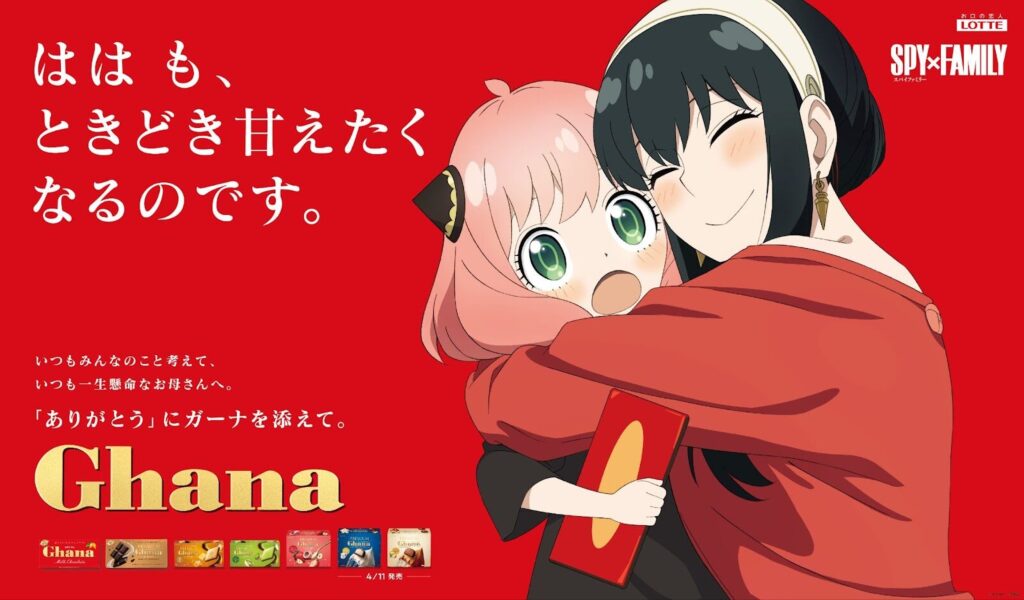
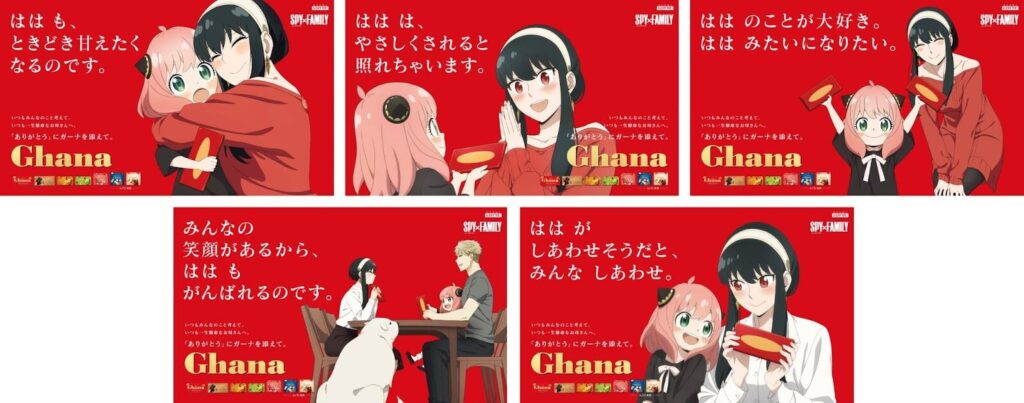
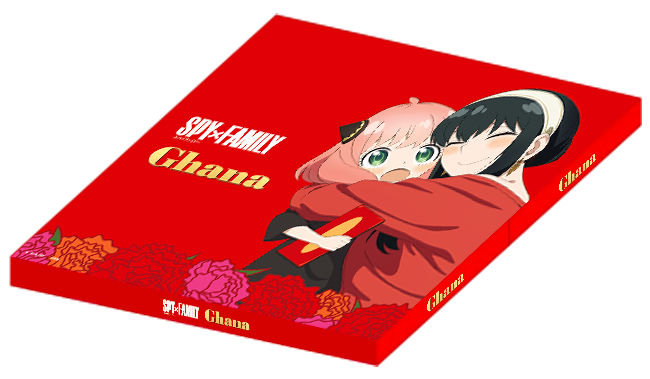
Collaboration case study: “SPY×FAMILY” & Lotte “Ghana” and Mother’s Day Campaign
The Mother's Day campaign collaboration between the anime “SPY×FAMILY” and Lotte's “Ghana Chocolate” achieved great success, reaching not only fans but a broad demographic. This article analyzes the synergistic effect created by the alignment of the characters' image with the product concept from a marketing perspective.
Theme of “family bonds” and empathy for the characters
Lotte's Ghana Chocolate has a strong brand image linking Mother's Day with Ghana, as a company representative stated: “Mothers have always worked hard for their families, and this will never change.” SPY×FAMILY is also a work centered on the theme of “family bonds,” even within a so-called “pseudo-family.” The combination of these elements naturally led to this collaboration.
Similar to the Suntory case, a key factor in this successful collaboration was the perfect alignment between the product's core characteristic – “chocolate given on Mother's Day” – and the character of Yor Forger, the “mother” figure within the work.
Yor is a character with duality—a gentle mother on the surface, a skilled assassin behind the scenes—yet her dedication to her family resonates deeply with viewers. This setting strongly connected with GANAA Chocolate's brand message of “expressing gratitude to mothers.”
Just as Yor cooks for her family in the story, the campaign naturally evoked consumers' desire to “give something to their mother.”
Promotion a reason for purchase: Mother’s Day
This collaboration, like the one mentioned earlier, was cleverly designed with a psychological strategy to make consumers think, “I might regret it if I don't buy this.”
This campaign combined the event nature of “Mother's Day” with the character's story, creating a mechanism that deeply appealed to consumers' emotions.
Giving Ghana chocolate on Mother's Day created a story where consumers could think, “I want to be someone who cherishes my family, just like Lloyd.”
Key Implementation Points
1. Align the character's story with the product message
※Example: Link Yor's “thoughts of family” to Ghana's “chocolate for Mother's Day”
2. Create visuals that help consumers envision gift-giving scenarios
※Example: Use special packaging visuals that make consumers want to give it as a Mother's Day gift
3. Create mechanisms that encourage parent-child communication
※Example: Utilize SNS to provide a platform for sharing “stories about giving chocolate on Mother's Day”
The key point of this campaign was “incorporating elements that connect to consumers' own experiences.”
While anime collaborations are often used primarily to gain influence among anime or original work fans, this campaign was designed to naturally reach audiences beyond anime fans by linking it to the relevant event of “Mother's Day.”
The idea that the simple act of “giving chocolate” can become an “opportunity to deepen family bonds” resonated with Yor's actions of cooking for her family to strengthen their relationship. This likely made it easier for consumers to relate the concept to their own lives.
Collaboration case study: “SPY×FAMILY” & Pine “Anya Candy”
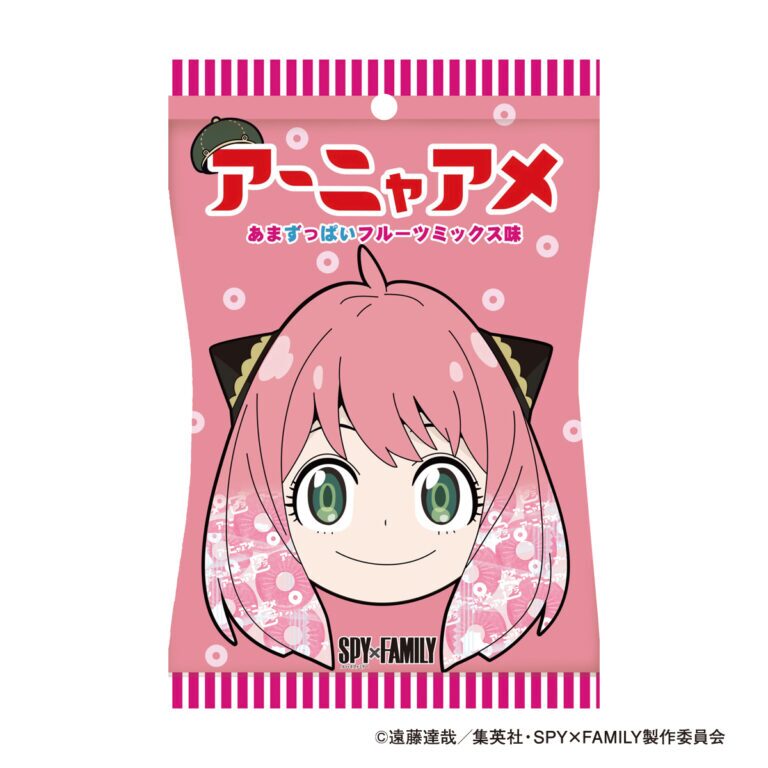
Pine Inc. has released “Anya Candy” featuring Anya, a popular character from the anime “SPY×FAMILY,” generating significant buzz.
Products fostering affection by reflecting character personalities
While there are many anime collaborations in the food industry, Pine's “Anya Candy” is a collaboration that perfectly matches its target audience.
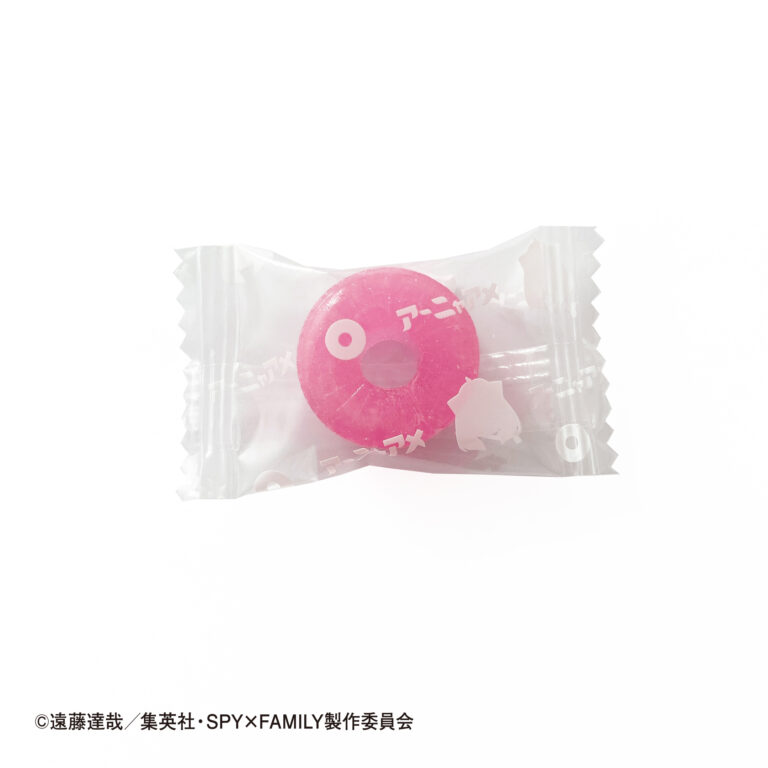
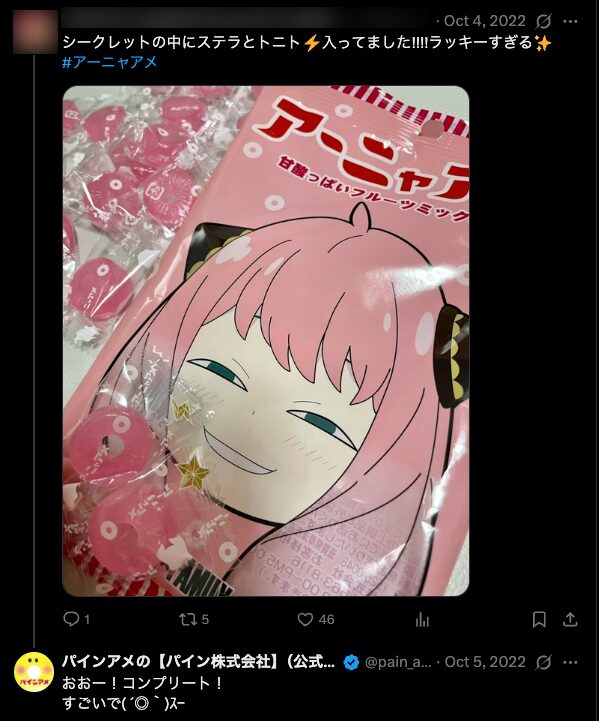
“Anya Candy” is a pink candy inspired by Anya's hair color, featuring a sweet and sour fruit mix flavor. By adopting a flavor and design that leverages the character's personality, it stimulated fans' desire to “just have to buy it.”
Specifically, creating a limited-edition flavor inspired by the character likely helped establish a flow where fans became fond of Pine Candy through Anya.
Furthermore, in October 2023, it was relaunched as “Anya Candy 2” with a completely redesigned package. Newly drawn illustrations and other features were incorporated to attract both repeat customers and new buyers.
Hidden packaging designed to be shared on SNS
This collaboration product expanded its reach beyond the fan base by leveraging the character's appeal and social media sharing, in addition to sales channels at stores nationwide.
“Anya Candy” features both standard cute packaging and humorous packaging with funny faces, designed to encourage natural sharing on social media even among non-fans. Indeed, the packaging's cuteness and limited-edition designs attracted attention, prompting many users to post and review.
The “Anya's Funny Face Package,” a secret package, offers a gacha-like thrill that makes you want to share it whenever you find it.
Key Implementation Points
1. Commercialize characters' favorite foods and add story elements
※Example: Incorporate flavors linked to the work's setting to evoke fans' “empathy”
2. Promote sharing with SNS-friendly designs
※Example: Feature Anya's expressions on packaging to create a desire to take photos and post them
3. Incorporate playful elements into the purchasing experience
※Example: Use packaging designs with random elements to create a desire to buy repeatedly
4. Design appealing beyond core fans
※Example: Prominently featuring “Anya's expressions” to attract casual fans
Product designs that evoke a sense of “enjoying time with the character” significantly boost fans' purchasing motivation. For future anime collaborations, the key to success will be “how deeply the character's appeal can be reflected in the product.”
Using this case as a reference, let's plan not just character goods, but “experiences where fans feel connected to the character.”
Collaboration case study: “SPY×FAMILY,” & Nissin Foods ‘Donbei’ and “U.F.O.”
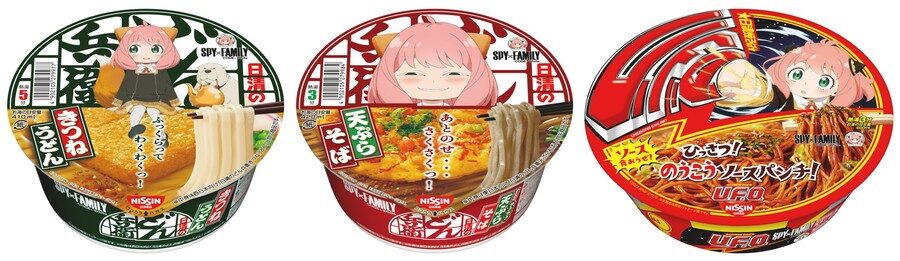
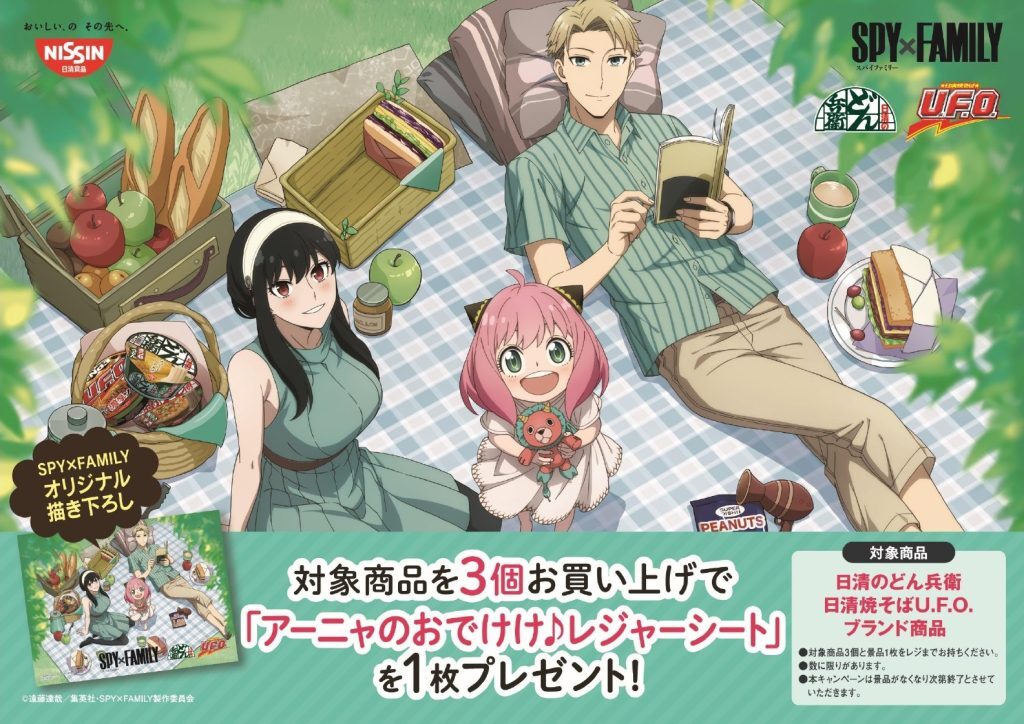
The collaboration between the anime “SPY×FAMILY” and Nissin Foods' ‘Donbei’ and “U.F.O.” products generated significant buzz by utilizing newly drawn packaging and humorous promotional videos.
Enhanced brand value born from “Anime Worldview × Humor”
Nissin Foods' cup noodle brands have long been known for their unique advertising strategies. Their collaboration with ‘SPY×FAMILY’ also featured promotional packaging that leveraged the series' worldview and the charm of its characters.
This campaign incorporates the surreal yet endearing qualities of the character Anya, creating the sensation of “completing a delicious meal as easily as a spy mission.”
・Donbei's “warmth of Japanese-style broth” links with the Forger family's love
Nissin Foods integrated SPY×FAMILY characters into the product experience, reaching both anime fans and existing cup noodle users. This exemplifies a successful fusion of branding and entertainment, recreating the “spy world hidden within everyday life.”
Packaging and limited goods designed for SNS sharing
Another strength of this collaboration was its strategic approach aimed at encouraging sharing on social media. Simply launching a campaign on social media rarely results in widespread sharing. However, this campaign incorporated elements that made consumers “instinctively want to share.”
The packaging design and limited-edition goods, in particular, were designed to be highly shareable. The packaging design, which looked as if Anya was using “Donbei” as a reward for her espionage activities, drew laughter from fans and accelerated its spread on social media.
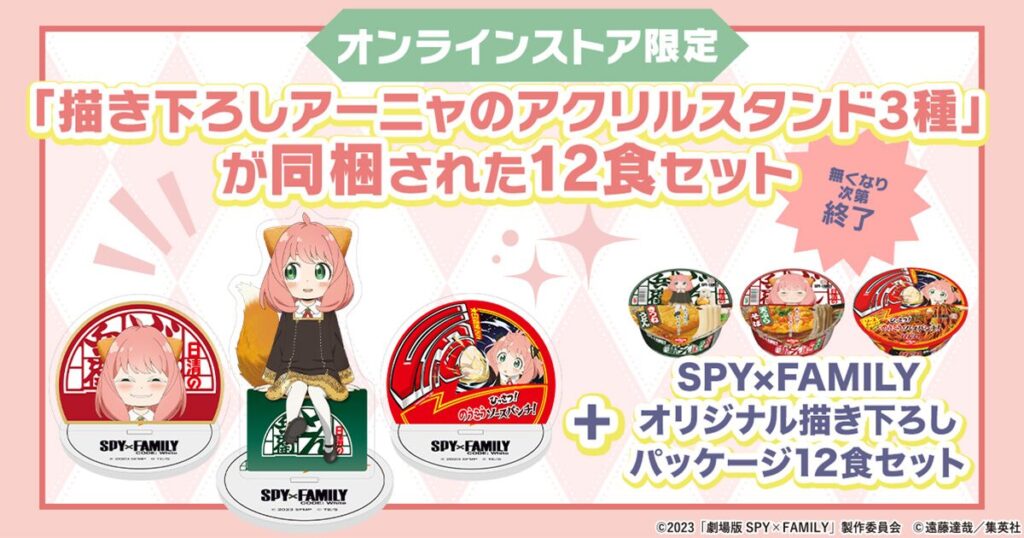
The use of limited-edition goods to create a reason to purchase is also a noteworthy point.
Key Implementation Points
1. Run participatory campaigns using hashtags
※Example: Set tags like “#SpyFamilyDonbei” to create an environment where fans can easily post
2. Add “fun elements” to promotional videos to encourage organic sharing
※Example: Structure videos to “make you want to share with friends” by leveraging character expressions and iconic lines
3. Boost awareness through collaborations with influencers and VTubers
※Example: Partner with YouTubers or VTubers who reach customers well to create review videos actually trying the product
4. Stimulate purchasing desire with limited-edition packaging and bonuses
※Example: Use original illustrations that make anime fans “want to collect them”
The key point to note in this collaboration is the marketing direction of “turning the dining table into entertainment.”
While food brand collaborations often lean heavily toward fan merchandise elements, Nissin Foods has created appeal beyond fans through “ads showcasing character cuteness anyone can enjoy” and “packaging designs that make you want to pick them up.”
Future anime collaborations may increasingly prioritize approaches that “blend into daily life” and emphasize “entertainment value.”
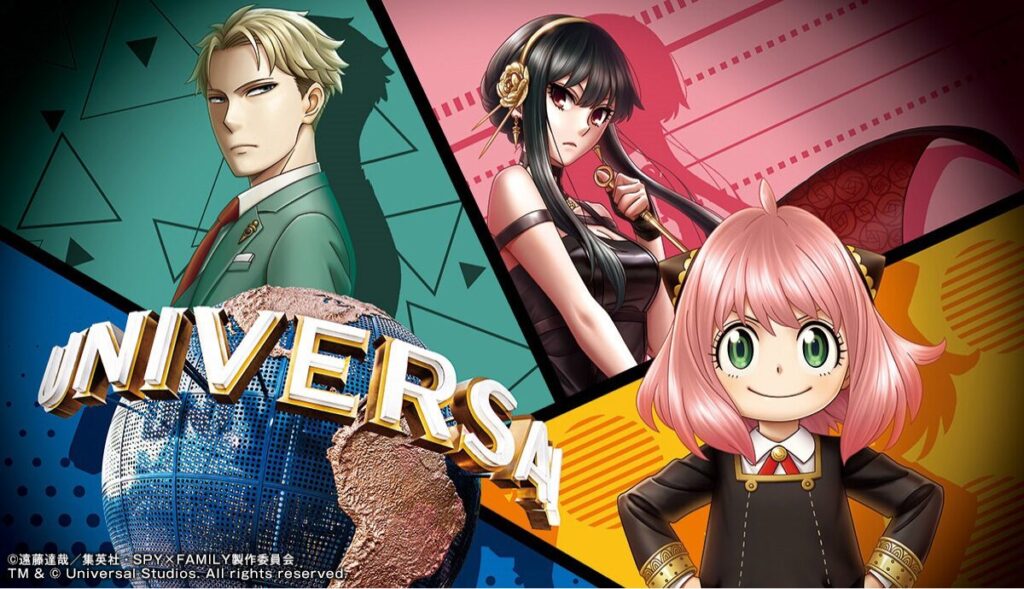
Collaboration case study: “SPY×FAMILY”: USJ “Secret Mission (Immersive Experience Event)”
The anime “SPY×FAMILY” and Universal Studios Japan (USJ) collaboration event “Secret Mission” attracted significant attention as an experiential attraction, captivating many visitors. This article analyzes why this collaboration succeeded, examining its mechanisms and marketing perspective.
Overwhelming immersion created by “experiential value × anime worldview”
USJ has collaborated with various anime works in the past, but “Secret Mission,” which utilized the worldview of SPY×FAMILY, was uniquely designed to set itself apart from other collaborations.
Anime collaboration events generally focus on “character greetings” and “limited edition merchandise sales,” but USJ's “Secret Mission” didn't stop there. This event emphasized the “hands-on attraction” element, where visitors themselves became spies and carried out missions alongside the Forger family.
It was an experience that felt like stepping into the world of the movie Mission: Impossible. Participants received specific missions and were able to experience spy activities while moving around the USJ park.
The future of entertainment collaborations, as shown by the success of “story-driven experiences”
The key point of this collaboration event was that it wasn't just an attraction, but a “story-based experience attraction” where visitors could actively participate as members of the SPY×FAMILY cast.
While many anime collaborations tend to stop at “recreating the original work,” USJ adopted a design that allows visitors to immerse themselves in the world of the work, creating a more immersive experience. This creates an experience akin to shifting from being a “movie audience member” to becoming a “movie character,” allowing visitors to feel as if they themselves have become an anime character.
Moving forward, collaborations between anime and theme parks will likely shift further toward being more ‘participatory’ and “immersive.” By creating mechanisms that “blur the boundary between the real world and fiction,” visitors transform from mere fans into “members of the story.”
Practical Key Points
1. Shift from “watching” to ‘participating’ - Go beyond just videos and exhibits; involve guests directly in the story. 2. Incorporate mechanisms to encourage repeat visits - Regularly update mission content to create a design that makes people want to come back again and again. 3. Introduce ways to interact directly with characters - For example, add elements like receiving a “special message from Anya” after completing a mission.
The success of “Secret Mission” lies not just in character collaborations, but in providing an experience where fans become part of the work themselves. The future fusion of anime and entertainment will evolve into experiential content that places greater emphasis on “consumer participation.”
Summary of analysis on successful anime-corporate collaboration case studies
These success stories demonstrate that enhancing the compatibility between an anime's worldview and a brand directly contributes to successful collaborations.
Specifically, aligning the product's concept and target audience with the anime's themes and character traits makes it easier to resonate with consumers.
In my view, the following elements are key:
・The work must have a certain level of popularity and influence
※Example: Announcements like a third season or a theatrical release carry significant influence
・The brand and the work's themes must match
※Example: Family bonds and snacks enjoyed in daily life
・The product must have affinity with the work or characters
※Example: Considering affinity through peanut flavor
However, the most crucial factor is the match with the brand or product itself.
Furthermore, offering limited-edition designs or special experiences can stimulate purchasing desire among fans and generate buzz.
Thus, strategies that leverage the anime's worldview and enhance affinity with the brand prove highly effective in corporate marketing activities. We can expect an increase in collaborations utilizing this approach moving forward.
Marketing Perspective in Japan: Beyond Just Creation
NOKID provides creative planning and production for PR using characters, events, and video content. Effective videos balance business and creative perspectives, e.g., short clips optimized for TikTok, designed to capture attention in the first 2–3 seconds.
For first-time animation or PR-focused content, feel free to consult with us.
Tokuma Kanna
Founder and CEO of NOKID Inc., a premier creative studio specializing in short-form animation and graphic design. With a focus on narrative-driven visual storytelling, he has spearheaded high-profile projects across the global entertainment landscape. His portfolio includes the acclaimed VALORANT: YORU TYPICAL DAYS cinematic, the Hatsune Miku x Seven Premium 15th Anniversary campaign, and Koda Kumi’s music video "100 no Kotoba-tachi e." As a leading producer in the PV and MV sectors, Tokuma continues to redefine the intersection of animation and contemporary digital media.