In the past, TV commercials and magazine ads were the primary methods for promoting animated productions. However, nowadays, word-of-mouth on social media is often what determines a work's success. In this environment, relying solely on conventional promotional methods risks burying truly excellent works.
In fact, many viewers aren't even necessarily fans of the source material or anime itself; they watch because “it's a trending work.” In fact, according to a survey on Gen Z's video content consumption habits, over 7 out of 10 respondents stated that “trending works serve as conversation starters with friends.”
This means the key to effective promotion lies in capturing the interest of these “people who want to stay in the loop.” Hearing friends or social media buzz like “This movie is trending like crazy!” or “That scene's payoff is insane!” instantly piques their curiosity.
While it goes without saying that the work itself must be worth watching, the reality is that “if it doesn't become a hot topic, people won't watch it,” no matter how high-quality it is. Therefore, it's essential to understand promotional methods that ensure sufficient awareness and spark interest.
This time, we'll introduce various advertising techniques for promoting anime works, covering both online and offline approaches.
Collaborations (Partnerships with Companies/Brands, Other IPs)
SNS × Short Clip Anime (X, TikTok, YouTube Shorts posts)
A more detailed breakdown is summarized in the table below.
Comparison of promotional methods
Promoting through TV commercials
Purpose
Expanding awareness across a broad demographic
Benefits:
Strong reach to the general public
Enhancement of brand image
Drawbacks:
High costs
Difficulty in measuring effectiveness
Use Cases:
Aiming for nationwide buzz
Prior to the release of a feature-length animated film
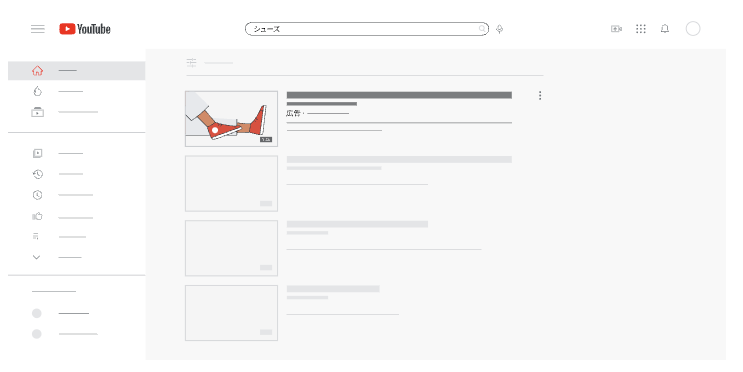
Promoting through YouTube Ads (In-Stream Ads, In-Feed Ads)
Purpose
Reaching those interested in the work
Benefits:
Allows for broad targeting refinement
Enables optimization using viewing data
Drawbacks:
Easily skipped
Requires memorable creative
Use Cases:
Works aiming to boost recognition quickly
Anime with a clearly defined target audience
Promoting through TikTok (YouTube Shorts) Ads
Purpose
Spreading to SNS users
Benefits:
High reach
Easy to attract younger audiences
Drawbacks:
Optimizing for short-form videos is essential for effectiveness
Use Cases:
Short anime and gag anime
New anime aiming for viral buzz
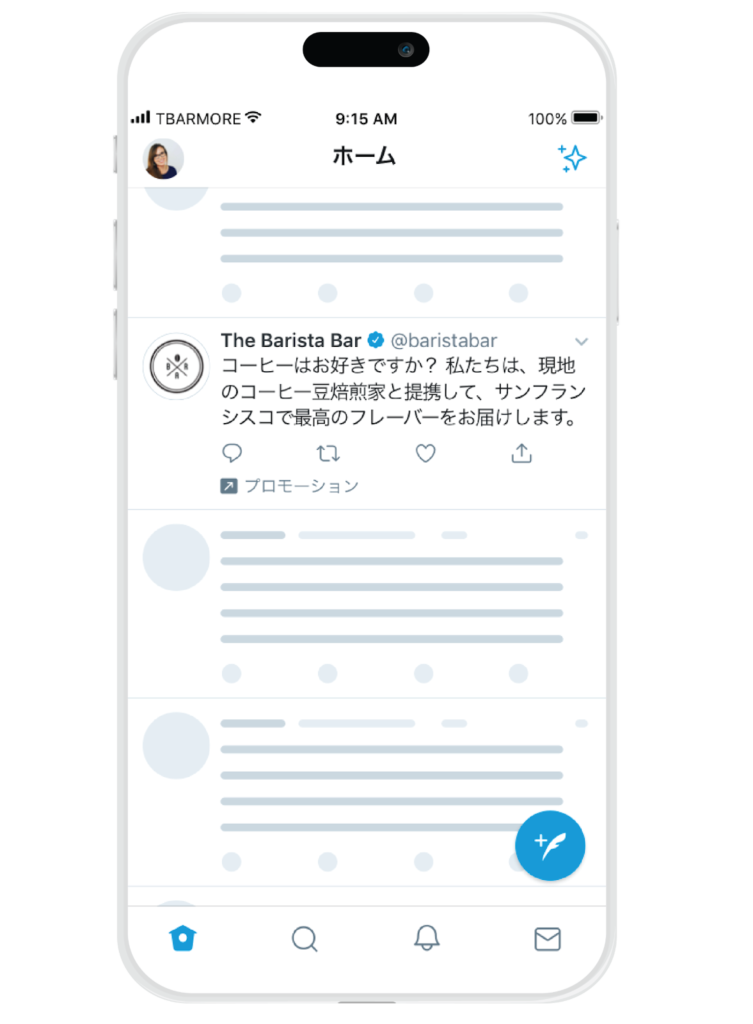
Promoting through X (Twitter) promotions
Purpose
Becoming a hot topic & trending
Benefits:
Real-time excitement
Enables the formation of fan communities
Drawbacks:
Risk of backlash
Requires ongoing management
Use Cases:
Works you want to discuss in real time
Building hype before broadcast dates or PV releases
Promoting through cut-out animation (short anime)
Purpose
Directing to the main content
Benefits:
Conveys appeal in a short time
Increases fan-generated content
Drawbacks:
Copyright management is required
Selecting appropriate scenes is essential
Use Cases:
Anime with strong storylines and battle scenes
Analytical & gag anime
Promoting through movie theater advertisements
Purpose
Targeted marketing at movie theaters
Benefits:
High affinity with movie fans
Strong appeal on large screens
Drawbacks:
Requires quality suitable for large screens
Limited target audience
Use Cases:
Announcement of movie adaptation (sequel)
Serious-themed & action-themed anime
Promoting through posters and flyers
Purpose
Offline visual appeal
Benefits:
Visually memorable
Can be displayed for extended periods
Drawbacks:
Less effective at viral than digital initiatives
Use Cases:
Anime with strong visuals
For events & theatrical screenings
Promoting through influencer and VTuber collaboration streams (posts)
Purpose
Expanding into new fan demographics
Benefits:
Leverage influence to reach audiences
Spread organically
Drawbacks:
Selecting the right influencers is essential.
Use Cases:
Anime with Strong Fan Culture
Works with high critical acclaim & character popularity
Promoting through user-generated content (UGC)
Purpose
Generate viewer empathy
Benefits:
Long-term buzz potential
Spreads without advertising costs
Drawbacks:
Risk of negative reviews
Use Cases:
Story-focused works
Anime with emotional impact & thought-provoking elements
Promoting through collaboration tie-in products (campaigns)
Purpose
Collaborate with other industries to reach new demographics
Benefits:
Expand your target audience
Enable experiential promotions
Drawbacks:
Brand image mismatch risk
Use Cases:
Anime that pairs well with other industries
Works with high affinity for goods, food & beverage, and apparel
Key Points for Utilization: Method Examples by Purpose
Selecting the optimal approach from each strategy isn't easy due to compatibility and budget constraints. Consider seeking expert support.
Here's a general selection guide for reference:
・Reaching a broad audience? → TV commercials, YouTube ads, theater ads
・Creating buzz quickly? → TikTok, YouTube Shorts, X (Twitter) promotions
・Want to engage fans for viral spread? → Clip videos, word-of-mouth reviews, VTuber collaborations
・Need sustained buzz over the long term? → Collaboration strategies, word-of-mouth reviews, posters
As shown, anime promotion requires appropriate methods tailored to your target audience and objectives, making strategic differentiation crucial. Identifying effective combinations allows you to gain more fans and maximize the appeal of your work.
Offline advertising strategy for anime works: Promotion methods to avoid being left behind in the digital age
When it comes to anime promotion, digital strategies like social media ads and YouTube clip videos are now mainstream. However, offline strategies haven't become completely unnecessary. In fact, when used appropriately according to the target audience and the work's characteristics, they can boost awareness among audiences different from those reached by digital advertising.
Here, we'll explain in detail why offline strategies remain important, along with specific methods, success stories, and practical implementation approaches.
Why offline strategies are necessary even in the digital age
The greatest strength of offline initiatives is their ability to create memorable touchpoints. While digital ads are consumed in vast quantities via smartphones and PCs, they are often blocked, skipped, or merely glanced at, making them less likely to leave a lasting impression.
Conversely, elements like an anime PV suddenly playing on a large street-side screen, a massive advertisement catching your eye the moment you pass through a station ticket gate, or a powerful movie trailer shown before the main feature at a cinema—these unintentionally capture viewers' attention and leave a deep impression.
Transportation ads seen repeatedly in daily life and real-world events that people can physically experience also hold strong effectiveness as memorable promotions.
For example, hanging ads inside trains seen daily during commutes or posters casually noticed while resting at a cafe naturally imprint themselves on viewers' consciousness. Combining these experiential promotions with online advertising yields even greater effectiveness.
TV commercials: A traditional method for broad reach
Source: TV Anime “Demon Slayer: Kimetsu no Yaiba” First Commercial - YouTube
TV commercials are one of the most effective advertising methods for reaching the largest audience. By airing anime PVs and special announcements on national networks or local stations, you can raise awareness of the work across a wide age range. For shows with limited viewership, like late-night anime, it's crucial to select broadcast slots aligned with the target demographic's viewing times.
Furthermore, it's essential not to treat TV commercials as standalone efforts. Analyzing post-broadcast search volumes and related social media posts, then designing a funnel with digital ads as the landing point, is indispensable.
Example: “TV commercial → Redirect to SNS posts” or “TV commercial → Link with YouTube ads” to drive viewers from awareness to action
Benefits of TV commercials
Reach a large audience simultaneously
Strongly impress the anime's worldview through visuals and music
Drawbacks and Risks of TV commercials
Can incur extremely high costs depending on the broadcast slot
Difficult to measure the extent of impact on viewers
Reference examples of TV commercials
As a reference example for TV commercial slots, TV Tokyo offers flexible packages based on “unit price per spot × number of spots aired” through spot commercials.
While the cost varies depending on the budget, broadcast period, and time slot, TV commercials possess a considerable level of credibility that easily conveys the impression of being a popular production. Therefore, they are a strategy worth considering when they align with your target audience.
Street view advertising: Maximizing visibility in urban areas
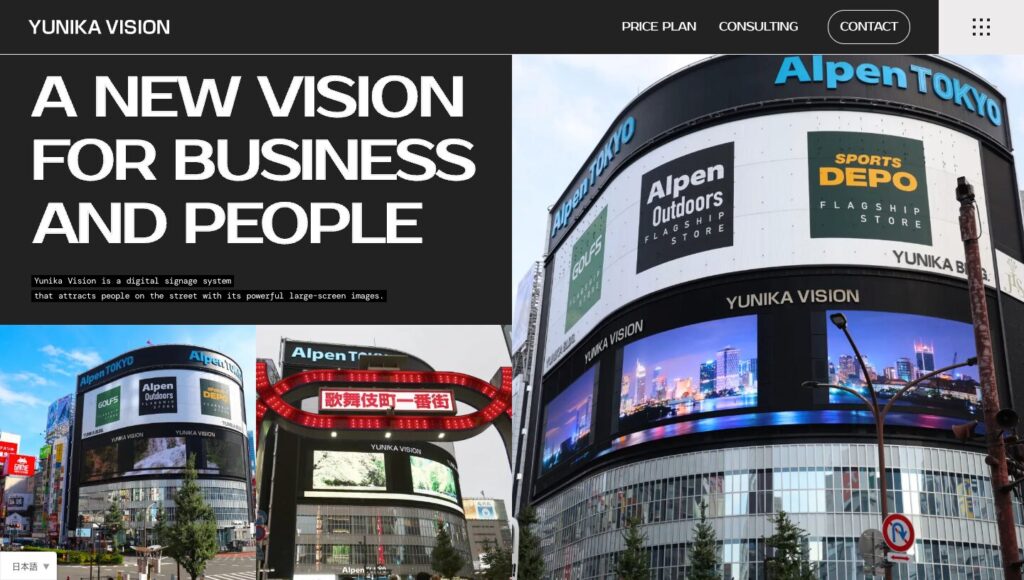
Street vision advertisements in bustling downtown areas can create opportunities to reach people who are difficult to approach online. Particularly in areas like Shibuya, Shinjuku, and Akihabara, where there are many anime fans and people accustomed to advertisements, promotions utilizing large vision screens can be expected to be viewed as part of information gathering.
Given the environment where passersby see a lot of information at once, it's crucial to create a composition that carefully considers viewer behavior. This means using text with a line that instantly conveys the concept rather than telling a story, or grabbing attention before transitioning to a powerful scene.
Street vision advertising continues to evolve annually, with some systems now capable of pedestrian analysis via AI cameras. As a concrete example, Search Co., Ltd. provides its outdoor advertising viewer data visualization service, “OOH Analytics,” to “Unica Vision,” operated by Unica Inc., enabling the analysis of advertising effectiveness.
Benefits of street vision advertising
Placed at busy intersections and station entrances, ensuring high visibility
Impactful visuals encourage viewers to take photos or videos and share them on X (formerly Twitter) or TikTok
Allows budget concentration in areas frequented by anime fans
Disadvantages and risks of street vision advertising
Cannot track actions like view completion or clicks for follow-up, unlike online advertising
Cannot display ads targeted by residential area or age
Not linked to sign-ups, requiring repeated viewings or online engagement
One notable example of advertising utilizing the large screens at Shibuya Scramble Crossing is the 60-second original short animation “Tokino Kōsa” (Crossing of Time), which synchronized all four large screens at the intersection.
Centered on a young girl standing at Shibuya Scramble Crossing, it depicts 10,000 years of Shibuya's history from ancient times to the present in a single flashback. This serves as a valuable reference case, meticulously planned not only for the visuals but also for the location where it was displayed.
Theater advertising: Directly appealing to target audiences at movie theaters
Theater advertising enables direct appeal to anime fans by showing PVs and other commercials before the main feature.
The primary use of theater advertising is as a trailer for the main film. Its immersive environment makes it highly effective for conveying the world of the work.
Especially when paired with films of the same genre—such as action, fantasy, or sci-fi—it reaches the most suitable audience.
Advantages of theater advertising
Viewers can watch without distraction from other ads
Placing ads before films matching the work's genre makes it easier to spark interest
Utilizes the theater's large screen and high-quality sound to let viewers experience the work's impact
Disadvantages and risks of theater advertising
Limited to theater audiences, so only reaches people with the habit of watching movies
Directly competes with other films, requiring high quality
Risk of being forgotten if advertised too far in advance (e.g., for next year's release), necessitating other promotional strategies
Source: [Honda Gakuen] Flipbook Animation Video Vol. 3 “Connecting Through Passion” - YouTube
As an example of cinema advertising, while not promoting the anime itself, a student recruitment commercial for HONDA Technical College Kansai was shown during screenings of “Jujutsu Kaisen 0”.
In my opinion, since the target audience is narrowed down by the film being screened and a certain number of companies consistently place ads, selecting the right film for placement can yield significant results from theater advertising.
Transportation Advertising (trains, buses, station ads): Increasing daily exposure opportunities
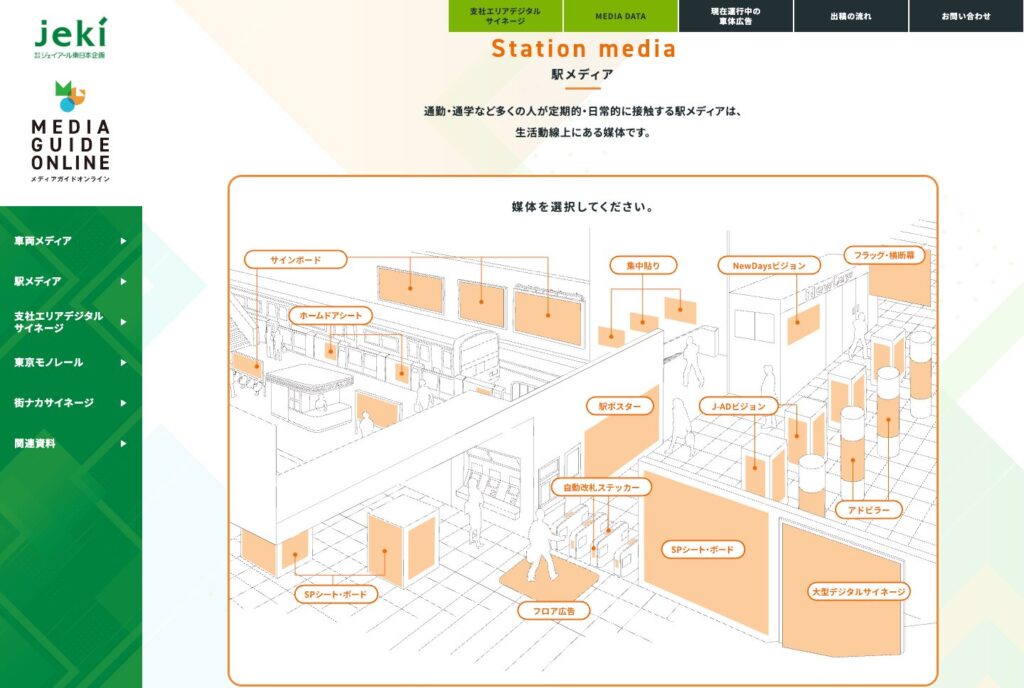
Transportation advertising utilizes advertising methods within moving spaces such as trains, buses, taxis, and station concourses. The greatest value of this approach lies in its non-fixed locations and the ability to repeatedly reach passengers who have free hands until they reach their destination. By repeatedly catching the eye within daily-used public transportation, it fosters latent interest and enhances brand awareness.
For example, placing transit ads at major stations in areas with many anime fans allows you to reach them during their commute. Bus wrap ads, in particular, offer the advantage of reaching a wide audience as they move through an area, enabling broad promotion beyond a single location.
Benefits of transit advertising
Daily exposure in the low-stimulus environment of commuting or traveling to school makes it memorable
Station and train ads are seen multiple times by passengers based on daily ridership
Target specific demographics, such as the “Yamanote Line” or stations near business districts
Disadvantages and risks of transit advertising
Once placed, locations cannot be changed mid-campaign if the area selection proves incorrect
Merely gaining name recognition yields limited effect; compelling ad copy skills to spark interest are essential
Without setting actionable goals (e.g., social media shares), campaigns risk becoming mere placements
Reference examples of transit advertising (train wraps)
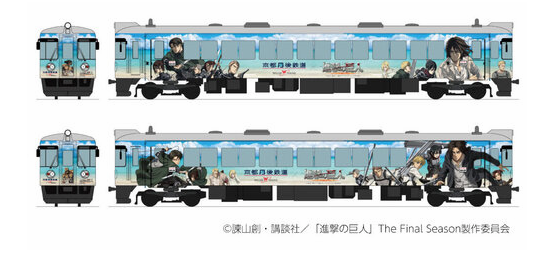
While not intended solely to promote the anime itself, one example is the special wrapped train “Attack on Titan: Running Through the Sea of Kyoto,” realized through a collaboration between the Kyoto Tango Railway—which primarily operates in the Tamba and Tango regions of northern Kyoto Prefecture—and the TV anime “Attack on Titan.”
This serves as a valuable reference case, as it simultaneously implemented initiatives such as selling one-day passes with special bonuses like acrylic keychains, offering original merchandise featuring newly drawn mini-characters, and installing character panels at select stations and related facilities. These efforts aimed to expand the anime's fan base while also promoting railway usage for the railway company.
Measures to combine with transportation advertising
Additionally, combining this with web advertising like “JRE Ads,” which utilizes JR user information, makes it easier to drive awareness of anime works and encourage viewing.
The mechanism of JRE Ads allows targeted ad display on external advertising media (such as during SNS browsing) to users matching Suica usage information or JRE POINT information. Therefore, it can be described as a database-driven targeting method rather than platform-based targeting.
Newspaper Advertising: Leveraging authority and trust for promotion
Newspaper ads, unlike digital ads or social media, leverage the authority and trust associated with traditional media for promotion. They are particularly suitable for announcing works with significant social impact or large-scale projects. They are also effective for creating a sense of exclusivity for fans.
Benefits of newspaper ads
Appearing in national newspapers enhances the anime's “social recognition”
Ideal for announcing film adaptations, anniversary celebrations, or special broadcasts
Generates buzz by featuring key character visuals and messages
Disadvantages and risks of newspaper advertising
Difficult to reach readers who don't regularly read newspapers
Likely to be overlooked without creative ideas like exclusively using an entire page
Primarily text-based, requiring strong copywriting skills for compelling, story-driven content
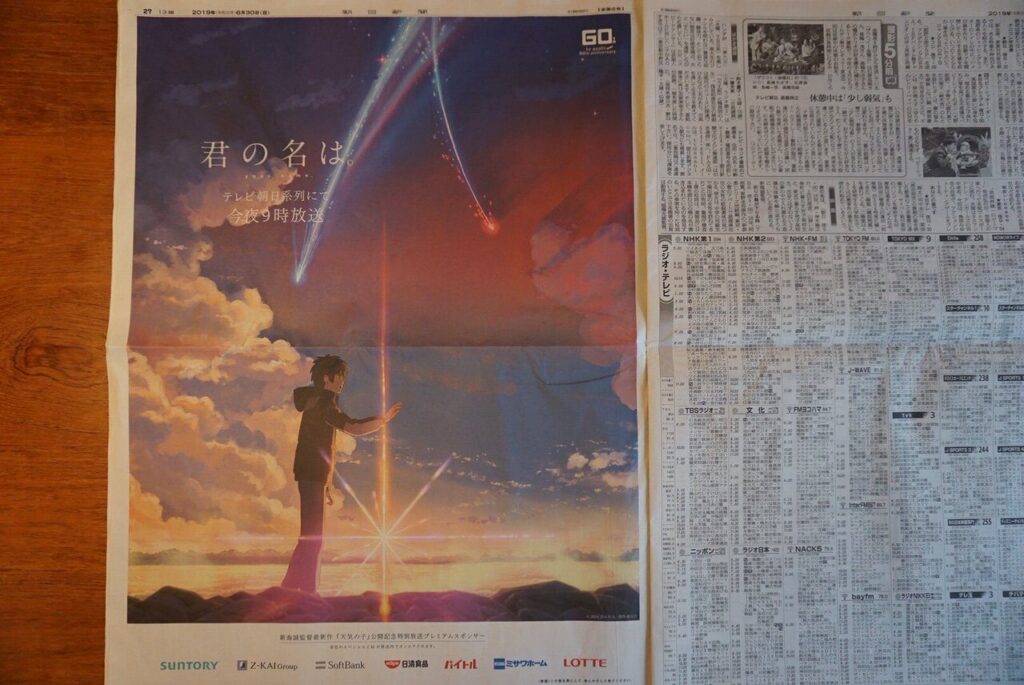
As an example of utilizing newspaper advertising, director Makoto Shinkai's “Your Name.” featured a full-page newspaper advertisement timed with the film's terrestrial broadcast.
A beautiful visual of a famous scene from “Your Name.” was featured across the entire newspaper page.
The hashtag “#君の名は。” was provided, promoting social media sharing through an unexpected gimmick.
The page itself gained value, stimulating the desire to collect it as a “memorabilia.”
The noteworthy point of this case is that it wasn't about placing an ad cheaply, but rather about boldly placing an ad that would lead to social media sharing.
Key Points for Implementing Offline Advertising
Offline advertising, as mentioned earlier, is a method that leaves a lasting impression of a work through real-world experiences. However, simply placing ads is insufficient to achieve significant results. To utilize it effectively, target audience selection, integration with online channels, and long-term exposure planning are crucial.
Below are practical points common to all offline advertising.
1. Select areas and routes where your target audience gathers
The greatest strength of offline advertising is its ability to leverage real-world contact opportunities. Therefore, the placement of ads must be selected after clearly defining which demographic you wish to reach.
Approaches for Appropriate Ad Placement
1. Target areas with high concentrations of anime fans
Akihabara/Ikebukuro: Advertising aimed at core anime fans Shibuya/Shinjuku: Can also reach the general public and casual fans
2. Utilize public transportation
Train hanging ads / Station interior ads: Repeatedly seen during commutes Bus wrap ads: Easily visible while moving, ideal for community-focused promotion
Naturally, choosing locations where your target audience gathers maximizes the “chance of exposure” to your work.
2. Create mechanisms to drive SNS sharing
The weakness of offline ads is that they disappear after a single viewing. However, by consciously linking them to SNS, you can turn that fleeting contact into online sharing.
How to create mechanisms that encourage sharing
1. Design and presentation that encourages SNS posting
Web integration: Place QR codes or hashtags within the ad to guide viewers online
Ad placement: Campaigns like “Take a photo in front of the ad and post it to receive a bonus”
2. Utilize Memorable Visuals and Catchy Copy
Photogenic visuals: Incorporate scenes that moved fans or highly visible graphic designs
Representative copy: “#LifeWithoutThisAnimeIsUnthinkable” etc.
Linking offline ads with SNS significantly extends exposure time and enables sustained online buzz.
3. Optimize video length and content for pedestrian behavior
To maximize offline ad effectiveness, creating ongoing exposure opportunities is crucial beyond a single display. Especially for street-level digital billboards and station interior ads, capturing pedestrians' attention instantly and sparking interest quickly is essential.
Methods for optimizing ads for pedestrians
1. Ad design considering pedestrian dwell time
Traffic lights/station platforms: Long dwell time suits 15-30 second ads
Downtown large screens: Fast foot traffic benefits from impactful 5-10 second ads
2. Incorporate eye-catching elements within the first 3-5 seconds
・Close-ups of characters
・Use impactful dialogue or music
・Combine still images with animation to improve visibility
3. Focus on repeat viewership (being seen multiple times)
・Rotate multiple ad patterns for people who visit the same area frequently
・Use short story-based videos that make viewers think “I'm curious about this anime!”
Don't end with a single ad campaign. Implement multiple strategies over time to sustain fan interest long-term.
To maximize offline ad effectiveness, design “where, to whom, and how” they are shown. Unlike digital ads, offline ads deliver information indiscriminately, but integrate with social media and maintain long-term exposure to create “memorable promotions.”
Online advertising strategy for anime works: Promotion Methods using digital ads (SNS, etc.)
Promotional methods for anime have changed significantly in recent years. In addition to traditional TV commercials and poster advertisements, the use of digital ads and social media ads has become essential.
As shown in the figure above, with the widespread use of smartphones for information gathering and the ease of accessing desired information today, it is necessary to think primarily in terms of online advertising, not just offline advertising.
However, simply running ads does not guarantee increased viewership. To succeed with digital advertising, it is crucial to strategically design mechanisms that guide viewers toward watching the main content or purchasing merchandise.
Here, we will provide a detailed explanation of the primary advertising methods used in anime digital marketing, their mechanisms and effects, successful case studies, and practical implementation methods.
What are the strengths and benefits of digital ads (SNS, etc.)?
Reach your target audience with pinpoint accuracy
The greatest advantage of digital advertising is its ability to deliver ads to the right people at the right time, based on their interests, preferences, and browsing history.
For example, showing the latest anime PV as an ad to users watching anime-related videos on YouTube significantly increases the likelihood of capturing their interest. Another effective strategy is displaying the actual anime series as a related video to users searching for anime content, creating an opportunity for awareness.
Real-time effect measurement and optimization
While it's difficult to accurately measure how many people were actually influenced by TV commercials or poster ads, digital advertising allows for real-time analysis and improvement of data such as “click-through rate,” “view completion rate,” and “conversion rate.”
For example, if YouTube ads show a high percentage of viewers leaving within the first 5 seconds, changing the opening visuals or copy can improve the ad's effectiveness.
Compatible with organic social media posts due to shared web presence
Digital ads deliver greater impact when combined with social media. Especially on X (Twitter) and TikTok, ads can spark “buzz,” often leading to organic user-driven sharing.
The author has personally seen ads generate over 10,000 comments and shares, creating a viral effect. This successfully trended the content and created a temporary but significant opportunity for brand awareness.
SNS Short Video Ads: Creating touchpoints with new audiences
Source: Participating in the YouTube Partner Program with Shorts: Eligibility, Ad Revenue Share & Analytics - YouTube
We'll introduce methods for distributing your work's PVs and memorable scenes in short formats, leveraging easily shareable techniques like TikTok and YouTube Shorts ads, and Instagram Reels ads.
Short video slots are ideal for creating awareness opportunities, as viewers swipe through posts continuously, making it difficult to persuade them to take action. However, entertainment-focused videos like anime are particularly effective at stopping viewers familiar with anime and manga. Therefore, it's best if the ad itself is designed to be enjoyable.
Expected Effects
・Displayed in the same space as regular posts, offering TV commercial-like impact and effectively conveying the work's atmosphere
・YouTube ads are often viewed via search or related videos, while TikTok ads have strong viral potential
For example, releasing a teaser like the following commercial on YouTube to spark curiosity about the full episode after viewing.
2. Include a CTA (call-to-action) at the end: “See the full story in the main video!” “Watch the full video here!” etc.
3. Conduct A/B testing and optimize patterns with higher click-through rates
X (Twitter) Promotions & Trend Ads: Creating buzz and leaving an impression
Here's how to leverage X (Twitter)'s promotional ads (promoted tweets) and trend ads (displayed at the top of timelines) to boost your work's visibility. X excels at real-time information, so creating content that taps into current conversations makes it more likely to gain attention.
Expected effects
・Easily generates real-time buzz
・Combined with hashtag campaigns, explosive reach is possible
For example, on the anime broadcast date, we used promoted ads to push “#Title” and achieved the #1 real-time trend.
Practical tips for X (Twitter) promotion and trend ads
1. Standardize hashtags and create a system that makes it easy for fans to post
2. Use trend ads around broadcast dates or when new information is released
3. Collaborate with influencers and official accounts to maximize reach
SNS Feed Ads (Static/Video Ads): Creating awareness triggers for audiences seeking related information
This technique involves “delivering ads that blend into posts” on platforms like YouTube, LINE, Facebook, and Instagram Stories, using images or videos. For many users, when using social media, they aren't actively seeking “urgent information they need right now.” Instead, they're passively browsing, thinking, “Is there anything useful or interesting?”
Of course, as shown in the image above, some users are “actively searching for solutions.” However, in most cases, users are in a state where they are easily drawn to information that matches their interests impulsively. Therefore, rather than directly urging them to watch the content, it's better to prioritize creating videos that spark curiosity by “fostering empathy for characters or interest through specific scenes.”
Since display locations vary by platform, consider the viewer's perspective and ensure your content doesn't feel intrusive or unpleasant.
Furthermore, for those who show interest this way, it's crucial to design a path from awareness to action. For example, use LINE Ads to place your work's information in “LINE NEWS” or the “Talk List.”
Expected effects
・Instagram & Facebook offer high targeting accuracy and are easy to start with
・LINE Ads can reach audiences who don't typically use social media
Practical points
1. Select visuals that convey the work's worldview (e.g., flashy action scenes or key character expressions)
2. Optimize Stories ads for “vertical video” (also compatible with TikTok and YouTube Shorts)
3. For LINE ads, link with your official account to deliver ongoing information
Retargeting Ads: Promoting action among audiences with prior exposure
Use retargeting ads within networks like Google to deliver ads offering specific benefits (promotions) to users who have previously visited your site or watched your videos.
Expected effects
・Allows repeated outreach to users who have shown initial interest
=Easier to improve conversion rates (full video views/purchases)
Practical points for SNS feed ads
1. Deliver retargeting ads to users who visited your landing page (LP) or watched your YouTube video
2. When encouraging revisits, emphasize concrete offers (benefits, etc.)
3. Set post-click destinations to prompt further actions after viewing (e.g., behind-the-scenes content, advance ticket purchases)
Leverage the characteristics of digital advertising—its ability to easily prompt actions and display to matching audiences—to deliver optimal commercials tailored to your target.
Furthermore, combining different approaches—such as “YouTube × TikTok” or “X (Twitter) × hashtag campaigns”—to create synergistic effects is crucial in digital advertising strategy.
The success of an anime hinges on “how many people will watch it?” However, simply running ads won't leave a lasting impression on viewers. The most crucial aspect of modern anime promotion is leveraging social media to create a “viral mechanism” that makes fans want to talk about it spontaneously.
Traditional promotion centered on one-way communication like TV commercials and posters. Today, however, it's essential to create “content that makes viewers want to talk about it” and let the buzz spread organically across social media. This article details viral strategies leveraging social media, including X (Twitter) trends, TikTok clip videos, YouTube Shorts, and influencer/VTuber collaborations.
Why is SNS essential for anime virality?
The viral spread of anime works relies not only on traditional one-way advertising like TV commercials and posters, but also on the dissemination power of social media, which makes fan word-of-mouth easily visible to other users.
The following points, in particular, differ significantly from conventional promotional methods.
1. Fan dissemination becomes the most powerful promotion
Rather than companies placing ads, promotional effects arise when fans themselves discuss and spread the word about the work. This is the power of UGC (User-Generated Content).
2. Real-time reactions become visible
Trending on X (Twitter) or TikTok view counts instantly reveal how much buzz a work is generating. SNS platforms directly visualize the “viewers' enthusiasm.”
3. Potential to create buzz without advertising costs
Compared to TV commercials or posters, SNS dissemination is low-cost and tends to have lasting effects. Especially when something goes viral, it's possible to reach millions of people with zero advertising budget.
To make anime a hot topic on social media, it's crucial to create mechanisms that make viewers feel, “I want to share this” or “I want others to see this.” Effective methods include trending on X (Twitter), using TikTok clips, leveraging YouTube Shorts and Instagram Reels, and collaborating with influencers or VTubers.
However, simply posting information on social media won't leave a lasting impression on viewers. Social media users browse posts to kill time or find useful information. Therefore, it's crucial to first present “information that sparks interest in the work” – such as “posts that convey character personalities” or “testimonials from existing viewers guaranteeing its entertainment value” – rather than just “pushing the work's appeal.” Be careful to communicate value without sounding self-congratulatory.
Furthermore, unlike TV commercials or poster ads, social media allows reaching a large audience for a low cost (for paid accounts). Especially if a post goes viral, it has the potential to reach millions of viewers without spending advertising money.
Creating trends on X (Twitter)
X (Twitter) is a platform well-suited for creating real-time buzz. By unifying hashtags around broadcast dates or PV release dates and creating an environment where fans can easily post, we aim to get trending. This allows many people to recognize that the work is currently a hot topic.
Practical points for X (Twitter) accounts
1. Set a unified hashtag that fans can easily use (e.g., “#●●Analysis”)
2. Aim for trending during broadcast times and PV releases, concentrating posts
3. Engage not only the official account but also cast and production staff to broaden the conversation
Spreading snippet videos on TikTok
TikTok is a platform that effectively conveys the appeal of anime through short-form videos. For clip videos, the key lies in editing that makes viewers think “I want to see more!” or “I love this character,” designed to naturally encourage sharing. Since it communicates a work's appeal quickly, it easily reaches casual fans and those who haven't watched it yet.
Practical tips for TikTok clip videos
1. Focus on scenes that convey character conflict or personality
2. Edit to make viewers think, “I want to see what happens next...!”
3. Combine with trending TikTok soundtracks and trends to maximize engagement
Getting discovered by new audiences via YouTube Shorts and Instagram Reels
YouTube Shorts and Instagram Reels are methods that can target long-term reach through search traffic and algorithmic distribution. Unlike TikTok, YouTube videos have the potential to appear as related videos for extended periods, while Instagram Reels are more likely to receive reactions when they resonate and create a positive impression.
Using these platforms together can increase your exposure on social media and deliver your work to a wider audience.
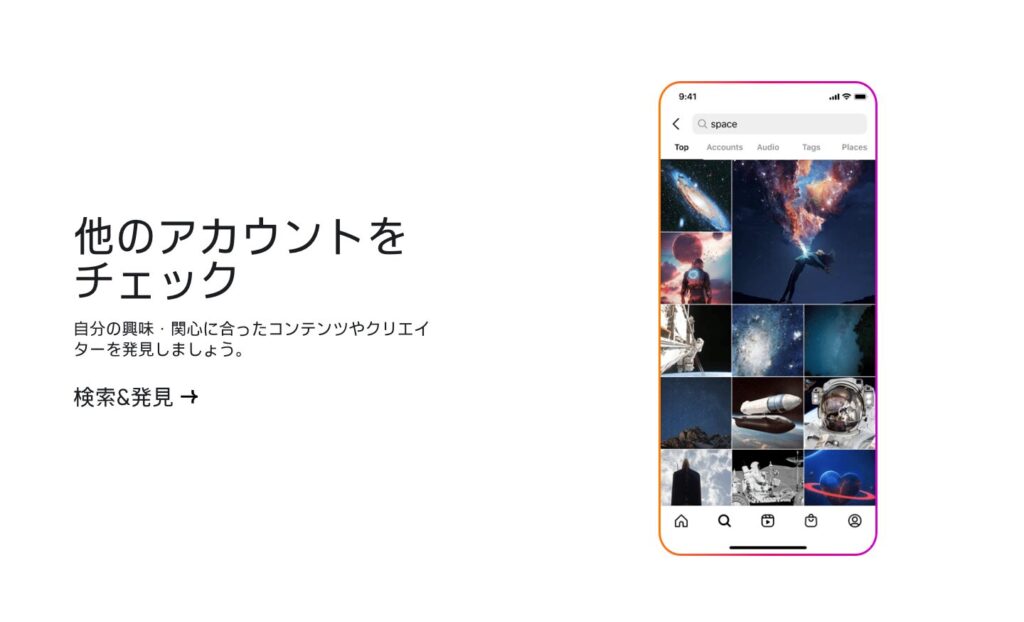
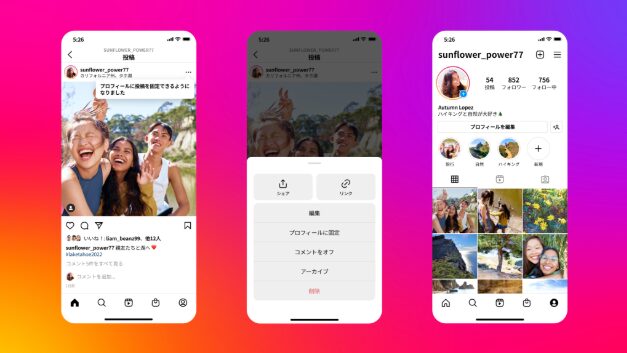
Taking Instagram as an example, since you can pin a specific post to your account profile, one operational approach is to pin a promotional video and then post content like relatable character stories on a regular basis.
Practical points
1. On YouTube, focus on “search traffic” by optimizing titles and tags
2. On Instagram, prioritize editing that “evokes empathy and emotion”
3. Combine official clips with fan-generated UGC (User-Generated Content)
Collaboration/Tie-in strategies for anime works: Promotion methods leveraging influence to gain fans
When it comes to anime promotion, SNS ads and clip videos are gaining attention, but they have their limits. Especially when aiming to reach new audiences, targeting only those who already have the habit of watching anime won't yield sufficient results. This is where collaborations and tie-up campaigns with other industries become effective.
By collaborating with brands and companies to deliver anime works to new audiences, you can capture viewers previously unreachable through conventional promotional methods. This article details strategies such as corporate/brand collaborations, collaborations with VTubers and artists, and collaborative events with other anime and IPs, complete with concrete examples and practical implementation methods.
Effects and methods of anime collaboration/tie-in strategies
Collaborations are effective not only for expanding an anime's worldview but also for maintaining buzz while reaching new audiences. The reasons are as follows.
1. Reach different fan demographics
Beyond anime fans, collaborations can deliver the work to audiences who prefer the partner brand or content.
2. Create shared topics and generate buzz through synergy
For example, announcing a collaboration with a famous brand attracts attention not only from anime fans but also from that brand's fans.
3. Design experiential promotions that spread easily on social media
Incorporating elements fans want to experience—like pop-up cafes or events with exclusive perks—can drive organic sharing on social platforms.
The greatest appeal of collaborations lies in reaching the partner's customer base and leveraging their credibility. Create compelling, well-matched collaborations that resonate with fans, maximizing exposure with minimal effort.
Corporate collaborations (brands, restaurants, games) for licensing revenue and increased awareness
By leveraging anime characters and world-building to co-develop products and services with companies, it creates opportunities not only for licensing revenue but also to increase the fanbase for the work itself.
Representative collaboration examples include the following:
Collaboration cafes (food and drink menus recreating the world-building)
Tie-ups with apps/games (limited-time gacha)
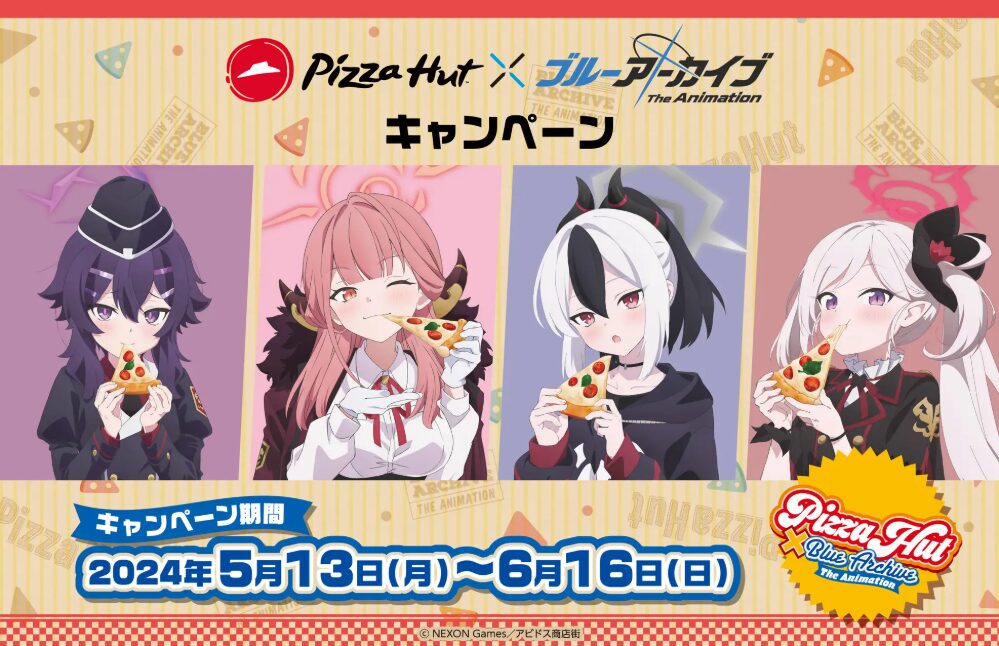
For example, the “Blue Archive × Pizza Hut” collaboration creates opportunities to broaden each other's customer base through limited-edition merchandise sales and collaborative menu offerings.
Key Points for Corporate Collaborations
1. Analyze target demographics and partner with brands that have high affinity
2. Communicate the exclusivity of collaboration products to boost purchase desire and social media sharing
3. Run social media campaigns (hashtag posts, giveaway events) to sustain buzz
Collaborating with VTubers/creators (influencers) to borrow their influence
Collaborating with influential creators like VTubers, artists, and YouTubers to introduce and promote anime works is another method, similar to sponsored advertising. When influential figures introduce a work, it increases credibility and makes it easier to capture viewers' interest.
Furthermore, utilizing real-time livestreams and commentary videos fosters shared viewing experiences, amplifying fan enthusiasm.
Specific strategies include the following:
・Live commentary on YouTube
・Analysis streams (explaining anime impressions and highlights)
・Collaborative TikTok Live streams (creating real-time excitement)
・Fan-participation talk events on X (Twitter) Spaces (discussing the work while interacting with viewers)
For example, rather than direct promotion, prioritizing content appeal—such as having a popular VTuber host an analysis stream on a theme related to the work—can increase the number of viewers interested in the work.
Key Points for Influencer Collaborations
1. Select influencers with high affinity for anime (e.g., VTubers, analysis-focused YouTubers)
Collaborating with other anime works or manga (original works) to link characters and worldviews can also be effective.
Collaboration Cafes/Shops
Joint Exhibitions/Festivals
Cross-Promotion with Games/Apps
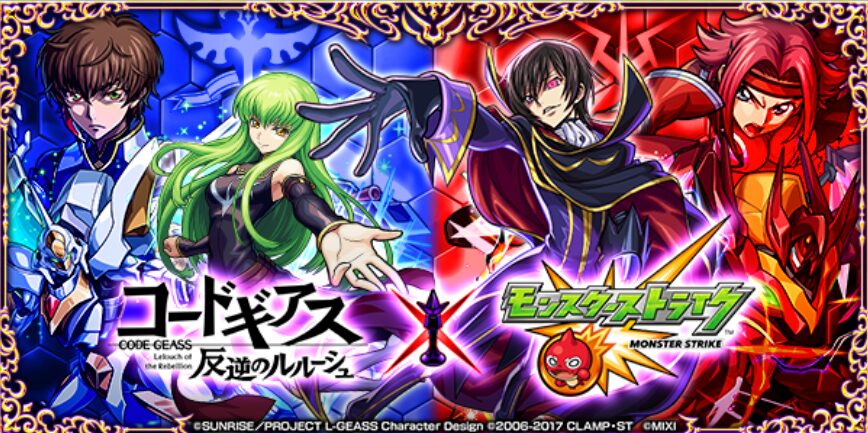
For example, collaborating with popular smartphone games like “Code Geass × Monster Strike” aims to attract new anime fans from game users.
Key Points for Anime-to-Anime Collaborations
1. Partner with other works to target “cross-promotion of fan bases”
2. Offer event bonuses to boost fan participation
3. Create collaboration PVs and key visuals to enhance social media reach
Collaboration strategies are powerful tools not just for one-off promotions, but for “developing new fan bases and creating long-loved anime.”
Combining them with social media further amplifies reach and generates sustained buzz.
Summary of promotion methods
Let's summarize the key points so far.
Promoting anime requires leveraging not only traditional TV commercials and magazine ads, but also social media and digital advertising.
Offline advertising (street displays, transit ads, theater ads) has the strength of leaving a visual impact.
Online advertising (YouTube, TikTok, X ads, etc.) can reach target audiences precisely.
Word-of-mouth on social media and fan-driven sharing are key to generating buzz.
Collaborations with influencers and VTubers are effective for expanding reach to new audiences.
Collaborations with brands from different industries can help cultivate new fan bases.
Utilizing real-world events (like preview screenings or collaboration cafes) can heighten fan enthusiasm.
Combining offline and online strategies creates synergistic effects.
Selecting advertising media tailored to the target audience's characteristics is key to promotional success.
It's crucial to measure and optimize ad effectiveness using data analysis.
The success of an anime largely depends on the skill of its promotional strategy. Simply running ads isn't enough; creating “hooks that make people want to talk about it” is the key to success. By appropriately combining offline and online efforts and creating an environment where viewers naturally want to spread the word, you can reach a wider audience.
Marketing Perspective in Japan: Beyond Just Creation
NOKID provides creative planning and production for PR using characters, events, and video content. Effective videos balance business and creative perspectives, e.g., short clips optimized for TikTok, designed to capture attention in the first 2–3 seconds.
For first-time animation or PR-focused content, feel free to consult with us.
Tokuma Kanna
Founder and CEO of NOKID Inc., a premier creative studio specializing in short-form animation and graphic design. With a focus on narrative-driven visual storytelling, he has spearheaded high-profile projects across the global entertainment landscape. His portfolio includes the acclaimed VALORANT: YORU TYPICAL DAYS cinematic, the Hatsune Miku x Seven Premium 15th Anniversary campaign, and Koda Kumi’s music video "100 no Kotoba-tachi e." As a leading producer in the PV and MV sectors, Tokuma continues to redefine the intersection of animation and contemporary digital media.