If you often find yourself thinking about how to effectively promote your company's services or products and get them noticed by potential customers (viewers), you may have wondered, “Should I use animated PR or live-action PR?”
However, rather than debating which is better, it's crucial to use each method appropriately based on your “purpose”—whether that's “how to convey your brand story and evoke empathy in viewers” or “what action you want them to take.”
This time, we'll clarify the differences between animation and live-action PR techniques, explaining each method's unique appeal and effective usage. We'll introduce the various PR methods using animation and live-action, comparing elements and benefits while highlighting their differences.
Use this article as a reference for how to appropriately combine these techniques within your company's PR strategy to achieve maximum impact.
・Understand the fundamental differences and characteristics between animated PR and live-action PR
・Understand the unique appeal of both animated PR and live-action PR
・Understand when to choose animated PR or live-action PR
・Understand the key points and strategies for appropriately using animation and live-action
Is animation PR an effective method for companies?
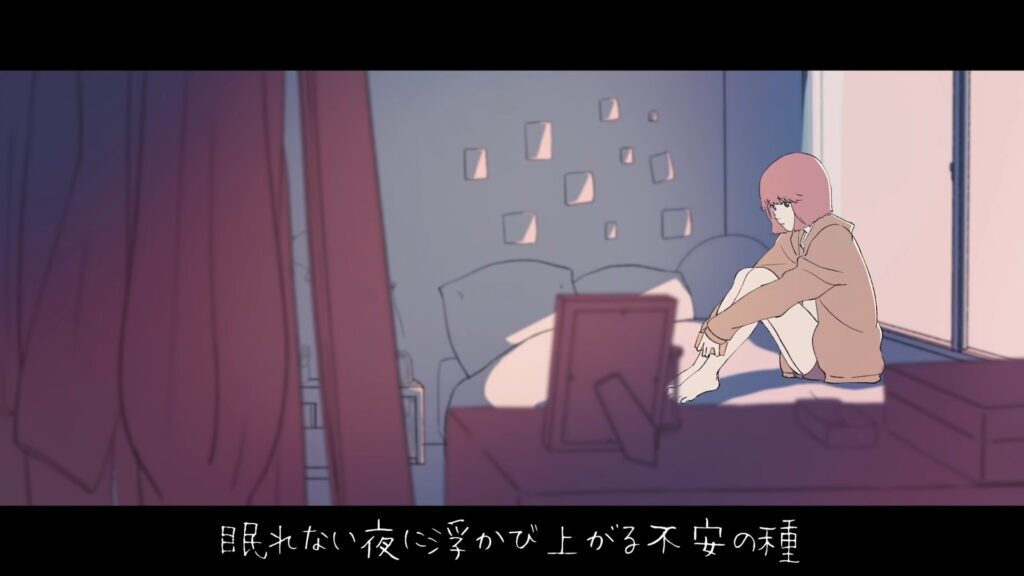
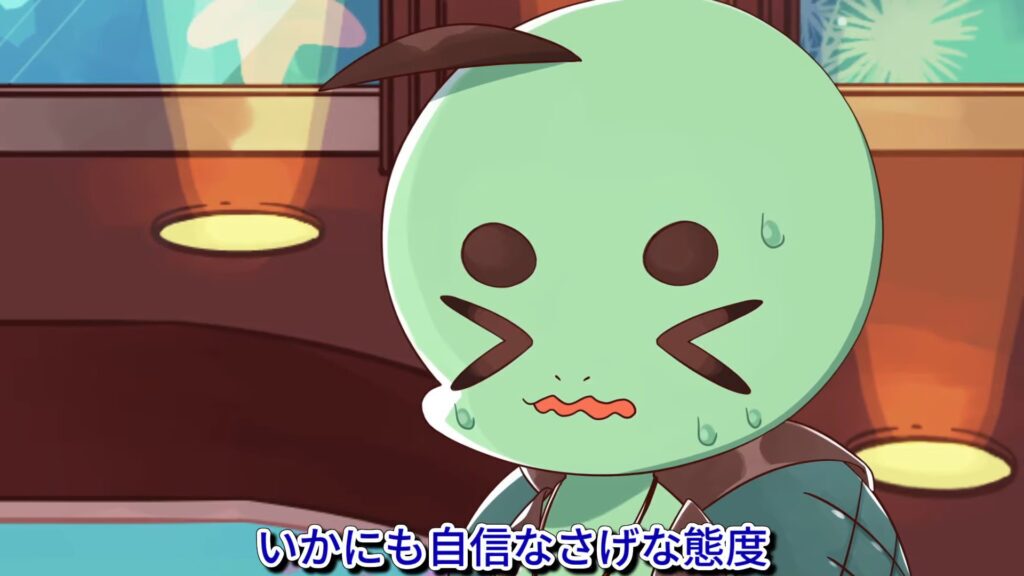
Animation PR refers to the use of animated videos in promotional activities for companies, products, and services. Animation enables imaginative expressions difficult to achieve with live-action footage, creating a lasting impression on viewers. By utilizing characters and the power of eye-catching visuals and storytelling, it delivers messages clearly and enjoyably to audiences.
For example, a famous Japanese automaker's animated commercial series effectively communicated product features through its unique characters and stories while building strong emotional connections with viewers. By visually representing the car's performance and safety, these commercials succeeded in deepening viewers' understanding and interest in the product.
Furthermore, animation can reach a broad audience across language and cultural barriers. Its universal appeal allows it to connect with diverse viewers both domestically and internationally, contributing to the dissemination of brand messages.
For these reasons, animation PR can be considered an effective means for companies to convey messages to their target audience and enhance brand awarenessWhat is animation PR?
PR stands for “Public Relations.” According to the Japan Public Relations Association, it is defined as “a set of concepts and actions aimed at creating desirable relationships between an organization and the people (individuals or groups) surrounding it.”
Examples include having influencers introduce your company's services via social media or hosting events that connect directly with consumers.
PR methods include media-based PR and offline event PR. The theme of this article, “PR Using Animation,” falls under the category of media-based PR.
Is animation PR cost-effective?
When considering the cost-effectiveness of animation PR, the key factor is the long-term value that investment delivers. While animation production can involve high initial costs, it offers the advantage of being easily reusable over time because characters don't age like live-action actors do.
In other words, animation has less of a sales pitch feel visually and is memorable due to its expressive flexibility. This means a single investment can be expected to “boost brand awareness over an extended period.” Additionally, depending on the execution, it can appeal to a diverse audience spanning a wide range of ages and backgrounds.
It also pairs well with web media and social media (SNS). Operating character accounts can lead to posts being shared, offering high viral potential. This allows for targeting viral effects while potentially reducing advertising and marketing budgets.
Numerous major corporations have achieved success with animation-based PR campaigns. These companies have used animation to create unique brand narratives, successfully building customer relationships and generating buzz.
This approach transcends mere product promotion, becoming an effective means to convey a brand's values and concepts. By strategically utilizing animation PR according to a brand's characteristics and marketing strategy, its true value can be maximized.
Differences between animation PR and live-action PR
Comparative elements
Animation PR
Live-Action PR
Degree of expression
Great freedom to express based on imagination
Concrete expression based on reality
Production cost
High initial cost but long-term usability
Subject to change based on location and cast
Appeal to the target audience
Appealing to younger audiences and fantasy enthusiasts
Appeals to general audiences with a sense of realism
Merits
Originality and creativity
Realistic and relatable
Demerits
Production time may take longer
On-site constraints and coordination with performers required
Compatible usage methods
Fantastical and abstract concepts
Actual product or service introduction
General timeline
Suitable for long-term projects
Suitable for short-term campaigns
Audience reception
Stimulates wonder and curiosity
instill a sense of security and trust
The appeal of using animation for PR
A major feature of animation PR is its high degree of creative freedom. Animation allows the creation of characters and fantasy worlds that don't exist in reality, stimulating viewers' imaginations and conveying messages more memorably.
Specifically, animation PR offers the appeal of easily expressing and communicating a unique worldview for abstract corporate concepts or commoditized products (products that are difficult to present in a fresh way).
For example, a beverage company might use characters to promote a product campaign. In such campaigns, the characters' stories and world-building evoke consumer emotions, which are then linked to the campaign to spark interest.
Furthermore, owning the copyright allows you to avoid the “casting costs” associated with live-action footage. Moreover, you can explore IP business opportunities using the character without struggling with “restrictions on usage scope.”
Thus, animation enables the visualization of nonexistent elements—ideas and worldviews—and the presence of characters makes it easier to deliver messages that resonate with viewers.
The appeal of using live-action for PR
On the other hand, live-action PR can convey direct imagery to viewers when showcasing actual products or introducing specific real individuals and landscapes.
A common example is skincare product commercials featuring celebrities. These ads successfully build viewer trust by realistically demonstrating the product's effects through actual people using it. Furthermore, since it's difficult to explicitly claim specific effects or efficacy for skincare products, prominently featuring celebrities with beautiful skin helps achieve the desired image.
Thus, live-action content excels at emphasizing realism and making direct appeals to viewers.
It is crucial for companies to appropriately select and utilize these methods based on their target audience and the nature of the message they wish to convey.
How to differentiate between animation PR and live-action PR?
The following is a specific scenario illustrating when to use live-action versus animation when considering brand growth.
Scenarios best suited for animation
We use animation to convey brand values and history to customers who have only purchased our products once. The goal here is to build an emotional connection through the brand story and deepen customer loyalty.
Animation is well-suited for expressing a brand's origins, growth trajectory, and the unique value of its products or services using creative narratives and characters. It is particularly effective for customers sensitive to storytelling, promoting a deeper understanding of and empathy for the brand.
For example, when launching an eco-friendly product line, an animated story themed around caring for the global environment can be created to visually convey the brand's commitment to environmental protection.
Scenarios best suited for live-action
When launching campaigns that feature employees prominently, we use live-action footage. In these cases, we emphasize the brand's humanity and transparency through actual employees and the product development process.
Live-action creates trust and persuasiveness by showing customers the faces of the company and how products are made in a real way.
For example, when promoting cooking-related products that use high-quality ingredients, filming scenes of the product in use in a kitchen or employees passionately selecting ingredients conveys the brand's commitment to quality and the product's excellence.
Using these specific scenes as reference points, let's strategically leverage the strengths of each expression method to effectively communicate the brand's unique story and values.
Tips for successfully blending live-action and animation
In promoting products and services, it is crucial that the intended message “reaches the audience.” One effective approach to achieve this is to fuse live-action footage with animation.
For example, in music videos, combining live-action footage featuring the artist with animation allows for the realization of a unique worldview. This fusion leverages the strengths of both mediums.
According to the explanation of animation techniques featured in the above video, Robert Zemeckis's 1988 film “Who Framed Roger Rabbit” was a groundbreaking work that blended live-action and animation. This film employed multiple techniques to achieve a sense of realism, making the animated characters appear as if they truly existed within the real world.
The key techniques used are outlined below:
Maintaining eye contact between characters and people
Eye contact played a crucial role in making it appear as though the animated characters and live-action actors existed within the same world.
This created a visual connection, as if the animated characters and live-action actors were gazing at each other, reinforcing the impression that both existed within the same world.
Another key element was creating the illusion of physical presence. In scenes where live-action actors, animated characters, props, and sets physically interacted, realistic interactions were generated to give the impression that the animated characters truly existed in reality.
Accurately depicting light and shadow is also crucial for portraying animated characters as if they exist in reality.
By adding shadows to animation, we could give characters a sense of depth and realistic presence, making them blend naturally into live-action environments. In particular, “Who Framed Roger Rabbit” used five layers of shadows to impart depth and realism to its characters.
Thus, the fusion of live-action and animation requires various techniques to enhance visual realism. Even with today's advanced production technology, these fundamental principles remain unchanged and serve as valuable reference points when combining live-action and animation.
Steps for producing animation videos suitable for PR
Creating animation videos for PR purposes differs from producing films or other visual works. It requires planning and production focused on ensuring the target audience perceives the promoted company, product, or service as valuable.
It is also crucial to anticipate where the video will be released and how it will be utilized after production. The specific steps are as follows:
Clarify the brand message: Define the core brand message for the PR campaign and devise a broad story to effectively convey that message.
Analyze the target audience (prospective customers): Analyze the specific target demographic you wish to reach, identify the situations, emotions, or pain points that resonate with them, and develop an approach that connects with the brand message.
Select visual style: Choose a visual style that aligns with both the target audience and the brand.
Create storyboards: Develop storyboards to visually convey the message, concretizing the flow of the narrative.
Produce video/audio (all assets): Create animations following the selected style and story, combining voiceovers and music to reinforce the brand message.
Review and feedback integration: Conduct reviews during production, incorporating stakeholder feedback to enhance quality.
Editing and finishing: Ensure overall adjustment and consistency through editing, refining the expression for maximum clarity.
Release and promotion: Publish the completed animation and execute promotional activities to reach the target audience.
Through these steps, we produce effective animation videos optimized for PR objectives, maximizing the communication of your brand's appeal.
Where should animation videos be deployed for PR?
To strategically deploy animation PR, it is crucial to first establish clear objectives and target audiences. While animation possesses the potential to appeal to a wide age range due to its visual appeal, it particularly excels at reaching anime enthusiasts and specific target demographics.
For example, Studio Ghibli, a renowned Japanese animation studio, successfully conveyed the appeal of aircraft through its film “The Wind Rises.” This work depicted the specialized theme of aircraft using unique animation techniques, capturing attention from a broad audience.
As this example demonstrates, animation PR can effectively introduce specific themes or products, leaving a strong impression on viewers.
Now, let's explore specific deployment channels.
Posters, flyers, pamphlets (print media)
A PR method for disseminating specific information, commonly seen on station platforms, inside trains, and in shopping districts. It ranges from paper-based to digital formats and can be customized with unique designs and desired text. Widely encountered in various settings, many examples have been familiar fixtures for a long time.
Events (online/offline)
This is a PR method utilizing events that enable direct communication with customers. For example, an energy drink company might hold a distribution event to increase awareness of a new product. Events allow the target audience to directly experience the brand, making them more likely to form a positive impression.
Press releases
This is an official document from the company, intended to disseminate information to the press. Its purpose is to gain coverage in newspapers and media outlets by having articles written about all of the company's activities, thereby expanding its recognition. Upon seeing the press release, relevant parties may request interviews for media coverage, or it may be republished on news sites.
SNS (social media)
On social media platforms with high empathy, content gains traction through sharing by users with large followings and high posting volumes, leading to widespread support from fans. As you know, Instagram's format—focused on sharing videos and images—makes it particularly effective for spreading information about products or services, as the visual nature of the content makes it easy for users to grasp.
Additionally, distributing content on video-sharing platforms like YouTube and Niconico Video is a preferred method because it seamlessly aligns with the target audience's intent—they are already there to watch videos.
As shown here, it's crucial not only to approach your target audience directly but also to aim for “spread” by third parties.
Furthermore, video-based PR methods exist not only for “product PR” and “corporate PR” but also for “music PR.”
Summary of the differences between animation PR and live-action PR
Let's summarize the key points so far.
Live-action PR tends to enhance credibility by using real scenarios and people.
Animation PR leverages production flexibility to easily incorporate unrealistic elements.
Live-action suits realistic expressions and conveys tangible product usage scenarios.
Animation excels at communicating abstract concepts through visual appeal and unique storytelling.
The key is to strategically choose between live-action and animation based on the brand and message.
Combining animation and live-action allows expressions that deliver a realistic impression while leveraging animation's appeal.
We've covered the manner in which producing animation can potentially get your company's services or products featured in media, expanding awareness.
In promoting companies, products, or services, it's not about which is superior—animation or live-action—but understanding each's characteristics and using them appropriately for the purpose.
Balancing animation's creative freedom with live-action's realism can effectively convey brand messages and leave a deeper impression.
However, when actually producing videos, questions like these might make decision-making difficult:
“How should I place an order?”
“What is the budget for production?”
“What type of animation is best to use?”
That's where our animation planning and production services come in. We manage and produce numerous creators, actively utilizing indie animation to build a system that ensures quality while keeping costs down.
Furthermore, we can express any style, enabling us to propose characters and worlds perfectly suited to your brand. We handle all necessary animation video tasks end-to-end, including content scenario design, character planning based on IP, and music video production. Please feel free to consult with us.
Marketing Perspective in Japan: Beyond Just Creation
NOKID provides creative planning and production for PR using characters, events, and video content. Effective videos balance business and creative perspectives, e.g., short clips optimized for TikTok, designed to capture attention in the first 2–3 seconds.
For first-time animation or PR-focused content, feel free to consult with us.
Tokuma Kanna
Founder and CEO of NOKID Inc., a premier creative studio specializing in short-form animation and graphic design. With a focus on narrative-driven visual storytelling, he has spearheaded high-profile projects across the global entertainment landscape. His portfolio includes the acclaimed VALORANT: YORU TYPICAL DAYS cinematic, the Hatsune Miku x Seven Premium 15th Anniversary campaign, and Koda Kumi’s music video "100 no Kotoba-tachi e." As a leading producer in the PV and MV sectors, Tokuma continues to redefine the intersection of animation and contemporary digital media.